2025 Annual Report
Policy in Action:
The Resources that Power Affordable Housing


A Message From Our President

Dear Partners,
I am pleased to present you with HDC’s 2025 Annual Report.
While the past year has posed significant challenges for the affordable housing industry, I have been heartened by the increasing national recognition of our housing crisis and by the collective efforts of stakeholders and communities to advance solutions that expand access to safe, stable, and affordable homes.
In 2025, we celebrated the enactment of two key provisions in a federal tax bill that will expand our affordable housing production through the use tax-exempt Private Activity Bonds (PABs) and Low-Income Housing Tax Credits (LIHTC). These impactful changes were the result of a years-long advocacy effort led by our industry peers and colleagues around the country, and we are grateful for their persistence and determination. HDC’s 2025 Annual Report takes a moment to highlight the importance of these programs, and other sources of federal funding, that remain essential to financing affordable homes and meeting the housing needs of New Yorkers.
At the local level, New Yorkers went to the polls in November and approved several ballot proposals that will help to fast-track the development of affordable housing through New York City’s land use processes. The approval of these ballot measures further solidifies New Yorkers’ desire to see the City deliver more on housing, while further underscoring the importance of HDC’s mission in meeting this moment.
Over the course of 2025, HDC issued over $3.13 billion in bonds and over $188 million in corporate reserves to finance more than 12,000 homes towards the city’s housing plan. This included 5,559 newly created or preserved affordable apartments and 6,657 units of public housing across New York City. As a result, HDC remains one of the top issuers of multifamily housing bonds and was once again named the #1 municipal bond issuer nationwide for its work in 2025.
HDC’s continued success in expanding and securing our city’s housing stock year-over-year has only been possible thanks to the tireless dedication shown by the HDC staff, and the steadfast commitment of our valued partners. I am so proud of our many shared achievements in 2025 and remain honored to be able to join you all in continuing this important work.
I am pleased to present you with HDC’s 2025 Annual Report.
While the past year has posed significant challenges for the affordable housing industry, I have been heartened by the increasing national recognition of our housing crisis and by the collective efforts of stakeholders and communities to advance solutions that expand access to safe, stable, and affordable homes.
In 2025, we celebrated the enactment of two key provisions in a federal tax bill that will expand our affordable housing production through the use tax-exempt Private Activity Bonds (PABs) and Low-Income Housing Tax Credits (LIHTC). These impactful changes were the result of a years-long advocacy effort led by our industry peers and colleagues around the country, and we are grateful for their persistence and determination. HDC’s 2025 Annual Report takes a moment to highlight the importance of these programs, and other sources of federal funding, that remain essential to financing affordable homes and meeting the housing needs of New Yorkers.
At the local level, New Yorkers went to the polls in November and approved several ballot proposals that will help to fast-track the development of affordable housing through New York City’s land use processes. The approval of these ballot measures further solidifies New Yorkers’ desire to see the City deliver more on housing, while further underscoring the importance of HDC’s mission in meeting this moment.
Over the course of 2025, HDC issued over $3.13 billion in bonds and over $188 million in corporate reserves to finance more than 12,000 homes towards the city’s housing plan. This included 5,559 newly created or preserved affordable apartments and 6,657 units of public housing across New York City. As a result, HDC remains one of the top issuers of multifamily housing bonds and was once again named the #1 municipal bond issuer nationwide for its work in 2025.
HDC’s continued success in expanding and securing our city’s housing stock year-over-year has only been possible thanks to the tireless dedication shown by the HDC staff, and the steadfast commitment of our valued partners. I am so proud of our many shared achievements in 2025 and remain honored to be able to join you all in continuing this important work.

Eric Enderlin
HDC President
HDC President
In 2025:
HDC deployed
$3.3B+
to finance the creation or preservation of
12,000+
affordable homes
The Building Blocks of Affordable Housing
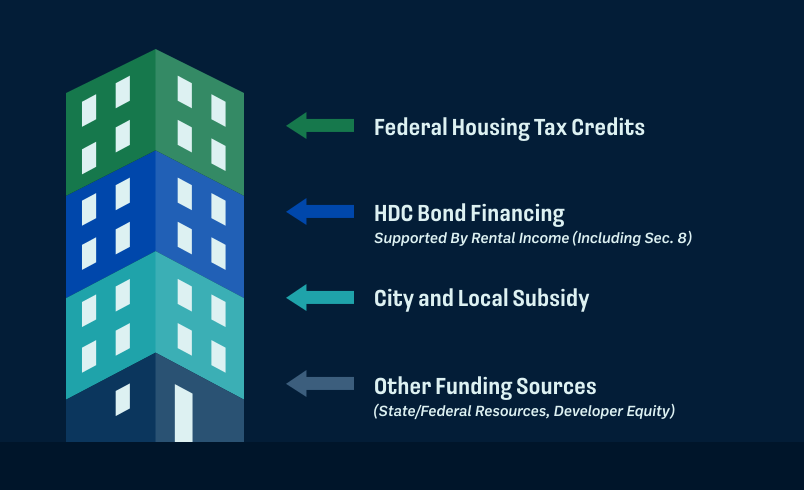
This year, Congress enacted a far-reaching tax bill that made important changes to two federal resources that are central to our mission: Tax-Exempt Private Activity Bonds (PABs) and Low-Income Housing Tax Credits (LIHTC). The improvements made to both of these programs present HDC and other Housing Finance Agencies (HFAs) nationwide with the opportunity to expand our affordable housing production in the years ahead.
In fact, HDC is one of the first HFAs in the country to take advantage of the changes made to the tax-exempt PAB financing rules. Thanks to the establishment of the "25 Percent Test" and the creative deployment of local and federal resources, HDC was able to accelerate production and finance 2,621 new affordable homes during our December closing period.
LIHTC and tax-exempt PABs are essential tools, but they are most effective when combined with other federal housing resources. In a period of unprecedented housing need and resource-constrained environment, the full impact of recent expansions depends on the continued availability of HUD programs that play a vital role in making affordable housing development feasible.
In fact, HDC is one of the first HFAs in the country to take advantage of the changes made to the tax-exempt PAB financing rules. Thanks to the establishment of the "25 Percent Test" and the creative deployment of local and federal resources, HDC was able to accelerate production and finance 2,621 new affordable homes during our December closing period.
LIHTC and tax-exempt PABs are essential tools, but they are most effective when combined with other federal housing resources. In a period of unprecedented housing need and resource-constrained environment, the full impact of recent expansions depends on the continued availability of HUD programs that play a vital role in making affordable housing development feasible.
H.R. 1 expands access to LIHTC resources and tax-exempt PAB financing by making two key changes:
- Lowering the PAB financing threshold - i.e., the "50 Percent Test" - from 50% to 25% to allow more projects to access to 4% Housing Credits.
- Permanently increasing the allocation of 9% Housing Credits by 12%
HDC estimates that the enacted changes, if supported by robust HUD funding, could unlock an additional $10 billion to support the creation of 32,000 new affordable homes in NYC over the next decade.
Key Federal Housing Tools
Low-Income Housing Tax Credits
The Low-Income Housing Tax Credit (LIHTC) program remains one of the nation’s most successful affordable housing finance tools and it has supported the creation and preservation of more than 3.85 million homes.
The LIHTC program provides two types of tax credits to support developers of affordable housing:
The LIHTC program provides two types of tax credits to support developers of affordable housing:
- 4% Credits: Affordable housing developments can qualify for “as of right" 4% credits if they meet the private activity bond financing threshold. 4% Credit allocations are indirectly capped each year by limits the federal government places on the number of tax-exempt bonds that can be issued annually.
- 9% Credits: These credits are awarded to affordable developments on a competitive basis. Developers who apply for 9% Credits are scored based on the priorities and requirements outlined in each state/locality’s “Qualified Allocation Plan” (QAP).
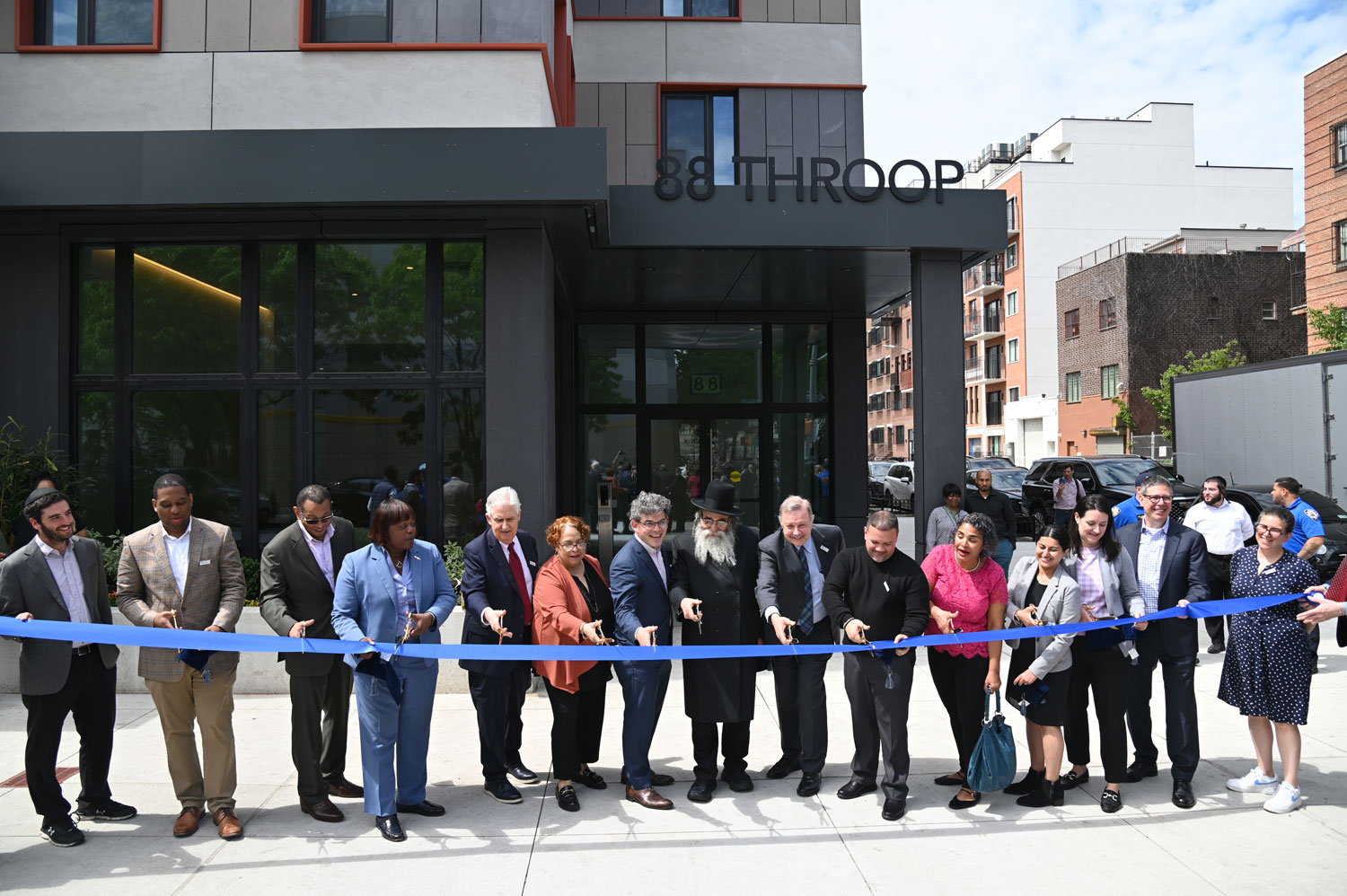
Over 260,000 affordable homes have been financed across NYS thanks to LIHTC, including 215,000 homes in NYC alone.
Tax-Exempt Private Activity Bonds
Tax-Exempt Private Activity Bonds (PABs) are a key source of financing that support the development of affordable housing and other critical infrastructure projects at the state and local level. While they can be used to finance a wide range of projects that serve the public’s interest, states and localities have increasingly used their share of tax-exempt PABs to finance affordable housing amid the nation’s ongoing housing shortage.
Tax-exempt bonds provide a range of benefits for affordable housing development by lowering borrowing and development costs, generating LIHTC equity, and attracting additional private financing to support each project.
Tax-exempt bonds provide a range of benefits for affordable housing development by lowering borrowing and development costs, generating LIHTC equity, and attracting additional private financing to support each project.
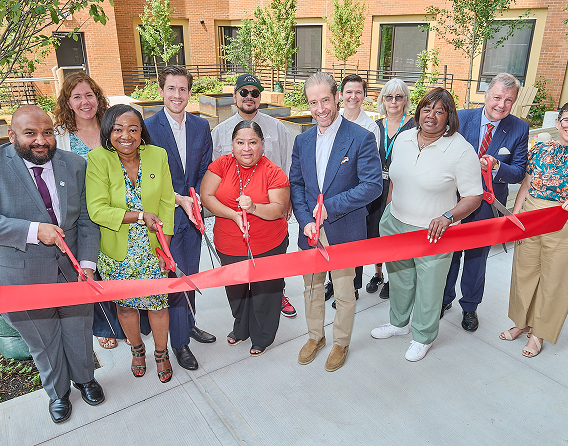
In 2020, 62.5% of PAB issuance nationwide went to support the development of multifamily housing – an increase from 19.8% in 2000.
Section 8 Rental Assitance
Section 8 is the nation’s largest rental assistance program, providing millions of low-income households with access to safe, stable, and affordable housing. Section 8 closes the gap between what a low-income household can afford and the market rent, thereby ensuring that households only pay 30 percent of their income on rent.
Besides the direct benefits the program provides to families and individuals directly, Section 8 can also be utilized to finance the creation and preservation of affordable housing in the form of “project-based” vouchers. By incorporating project-based vouchers into new construction and preservation deals, the Section 8 rental assistance subsidy serves as a valuable and reliable source of operating revenue. This program reduces risk to developers, lenders, and HFAs alike.
Besides the direct benefits the program provides to families and individuals directly, Section 8 can also be utilized to finance the creation and preservation of affordable housing in the form of “project-based” vouchers. By incorporating project-based vouchers into new construction and preservation deals, the Section 8 rental assistance subsidy serves as a valuable and reliable source of operating revenue. This program reduces risk to developers, lenders, and HFAs alike.
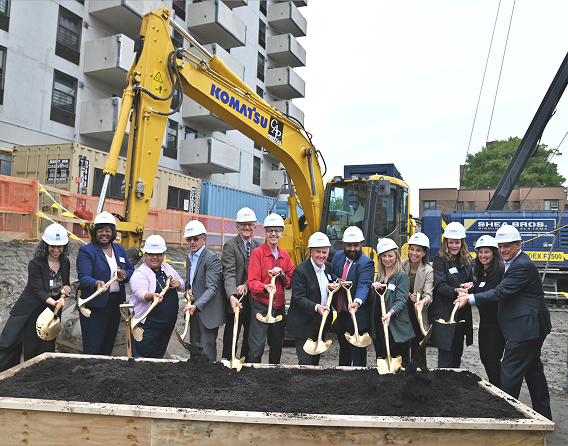
In New York State, 330,000 households receive Section 8. More than 146,000 of those recipient households live in New York City.
HOME Investment Partnerships Program
The HOME Investment Partnerships Program (HOME) is a HUD-administered block grant that provides states and local governments with flexible funding to help meet the housing needs of low-income households through a variety of eligible uses.
New York City relies on HOME funding to further advance many affordable housing, homelessness, and homeownership initiatives. Most notably, HOME funding is used as gap financing in the project pipeline to ensure the feasibility of affordable senior developments across New York City.
New York City relies on HOME funding to further advance many affordable housing, homelessness, and homeownership initiatives. Most notably, HOME funding is used as gap financing in the project pipeline to ensure the feasibility of affordable senior developments across New York City.
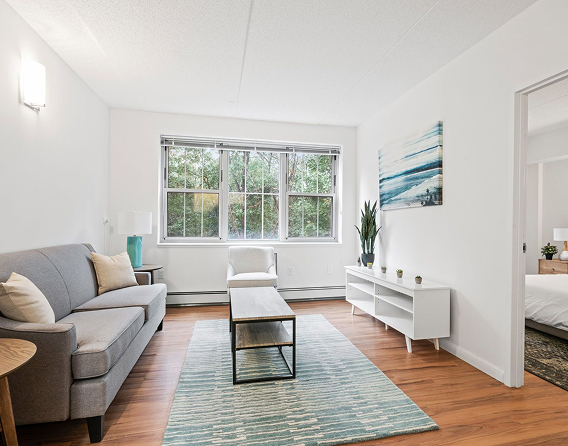
In 2025, New York City's allocation of HOME supported the creation of more than 398 affordable homes for older adults.
Putting Federal Resources to Work – Seaview
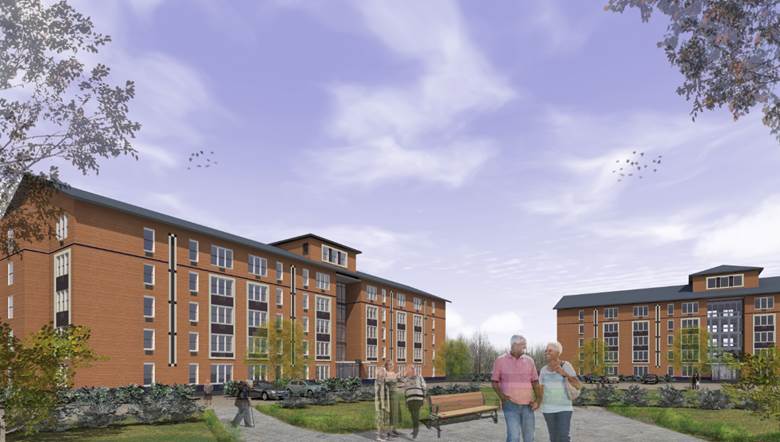
Seaview is a newly constructed senior housing development on Staten Island. The development offers more than 160 deeply affordable, high-quality homes for older adults at or below 60% of the Area Median Income (AMI). Besides the project’s affordability, the tenants have access to a new senior commons center on the campus, which will help all the residents age with dignity. Seaview was made financially feasible thanks to the incorporation of tax-exempt bonds and LIHTC equity, as well as gap financing through the HOME Investment Partnerships Program. The project was also able to achieve deep levels of affordability through project-based Section 8 rental assistance that has been used to subsidize every unit in the building.
2025 Featured Closings
New Construction
Brownsville, Brooklyn
Brownsville Art Center & Apartments
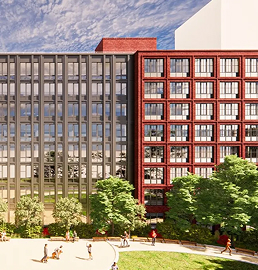
Brownsville Art Center & Apartments
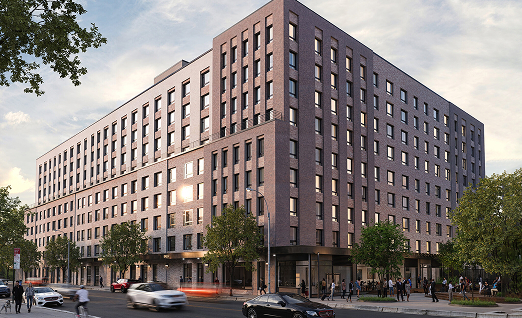
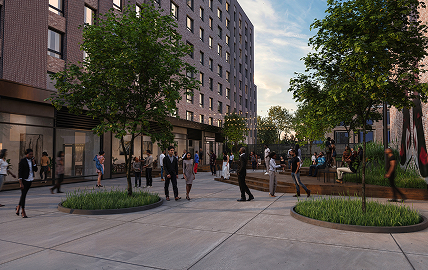
The Brownsville Arts Center and Apartments will deliver 283 affordable homes to Brownsville, Brooklyn. Of these, 211 homes will be permanently affordable, and 43 apartments will be set aside for formerly homeless households.
Approximately 28,000 square feet of arts and cultural space will be operated by Artspace Projects and subleased to local organizations: BRIC, Purelements, Brooklyn Arts Council, Brooklyn Music School, and Youth Design Center.
Approximately 28,000 square feet of arts and cultural space will be operated by Artspace Projects and subleased to local organizations: BRIC, Purelements, Brooklyn Arts Council, Brooklyn Music School, and Youth Design Center.
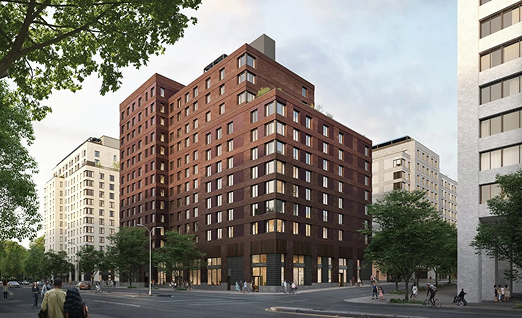
East New York, Brooklyn
Innovative Urban Village Phase 1B
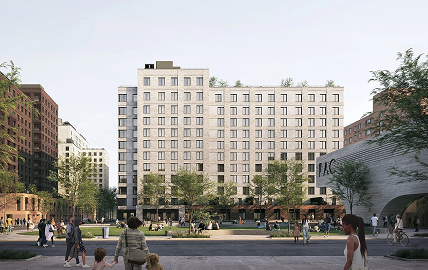
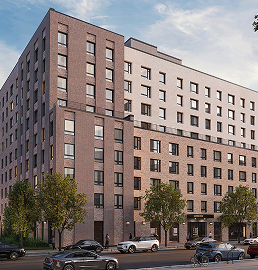
Innovative Urban Village Phase 1B
Once complete, Innovative Urban Village Phase 1B will provide 453 affordable homes for extremely low- and low-income households, with 68 apartments dedicated to formerly homeless households.
This project is part of a multi-phase redevelopment initiative that will ultimately provide a projected 1,975 newly constructed affordable units, 10,250 square feet of retail and commercial space, a community facility space earmarked for daycare operations, and a new playground.
This project is part of a multi-phase redevelopment initiative that will ultimately provide a projected 1,975 newly constructed affordable units, 10,250 square feet of retail and commercial space, a community facility space earmarked for daycare operations, and a new playground.
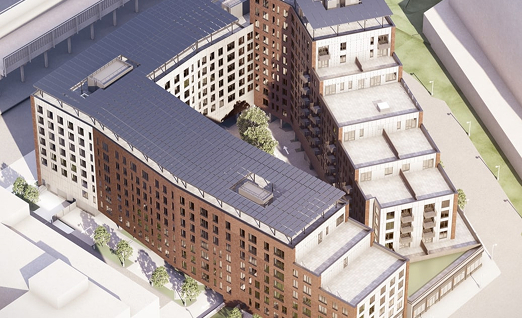
Far Rockaway, Queens
Arverne East Building D
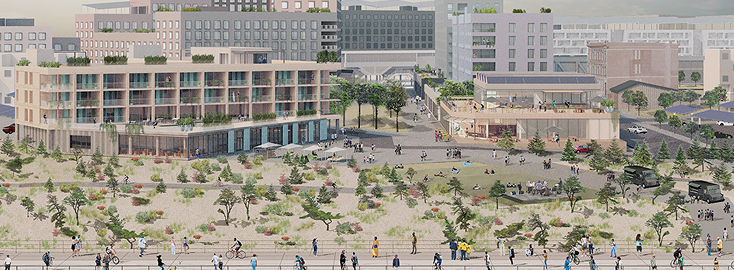
Arverne East Building D
Arverne East Building D will be the first residential development phase of a multiphase mixed-use development. It is intended to be one of the largest net zero community projects in the country and the first in New York City.
This sustainably designed building will be comprised of 230 affordable homes and include resiliency features designed to mitigate the impact of coastal flooding and major weather events.
This sustainably designed building will be comprised of 230 affordable homes and include resiliency features designed to mitigate the impact of coastal flooding and major weather events.
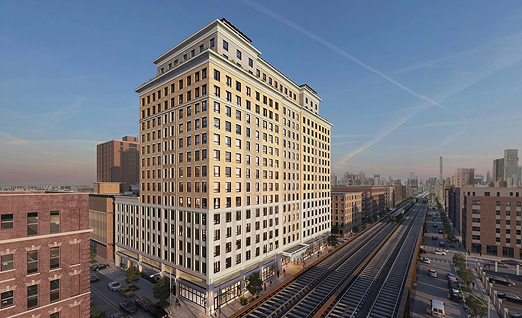
East Harlem, Manhattan
Timbale Terrace
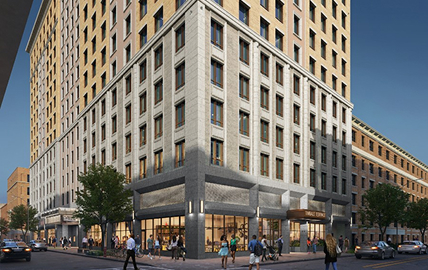
Timbale Terrace
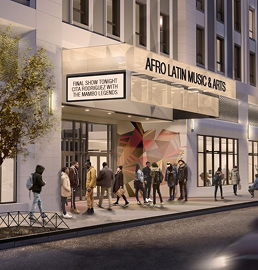
Timbale Terrace is a redevelopment project that will bring 341 affordable homes to East Harlem. Of these, 97 apartments will be set aside for supportive housing for chronically homeless single adults and families through the NYC 15/15 initiative.
The project will also house the Afro Latin Jazz Alliance (ALJA) Community Center which will offer music education, dance programming, and performances by local artists and performers from around the world.
The project will also house the Afro Latin Jazz Alliance (ALJA) Community Center which will offer music education, dance programming, and performances by local artists and performers from around the world.
Preservation
Tremont, The Bronx
Silverleaf Hall
Silverleaf Hall
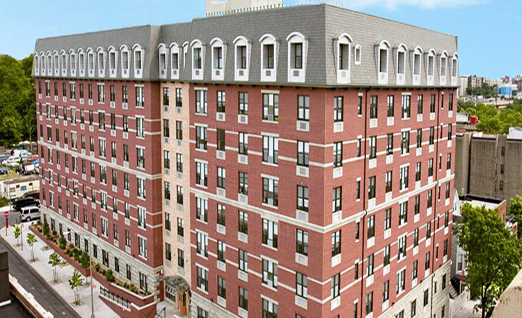
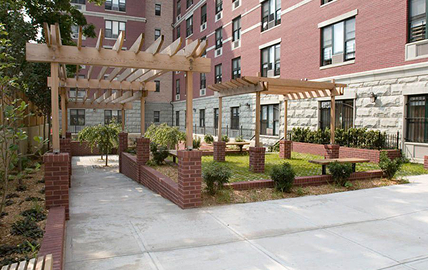
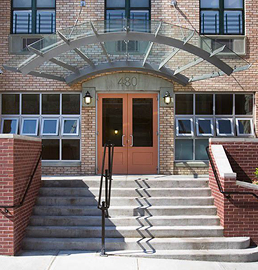
Silverleaf Hall is an existing affordable and supportive housing development comprised of 118 affordable homes, roughly half of which are dedicated to those who have experienced or are at risk of homelessness.
Through this Year 15 preservation effort, residents of Silverleaf Hall will benefit from substantial façade repairs and other critical modifications and updates. This transaction also extends affordability for this development an additional 40 years.
Through this Year 15 preservation effort, residents of Silverleaf Hall will benefit from substantial façade repairs and other critical modifications and updates. This transaction also extends affordability for this development an additional 40 years.
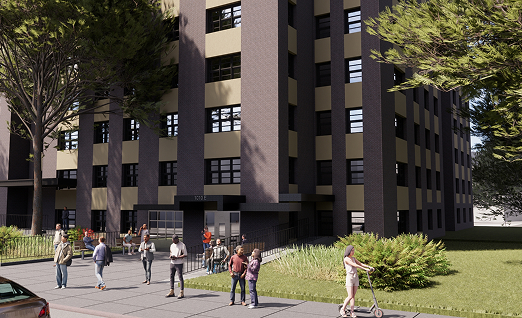
Scattered-site, The Bronx
PACT Northwest Bronx

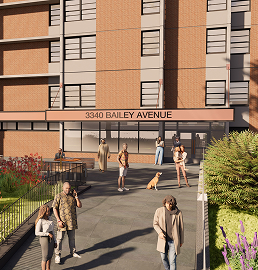
PACT Northwest Bronx
Financed under NYCHA's Permanent Affordability Commitment Together (PACT) program, this preservation effort ensures critical repairs, guaranteed affordability, and tenant protections for over 3,000 public housing residents throughout the Northwest Bronx.
Residents will benefit from comprehensive apartment renovations, along with updates to building common areas and community spaces.
Residents will benefit from comprehensive apartment renovations, along with updates to building common areas and community spaces.
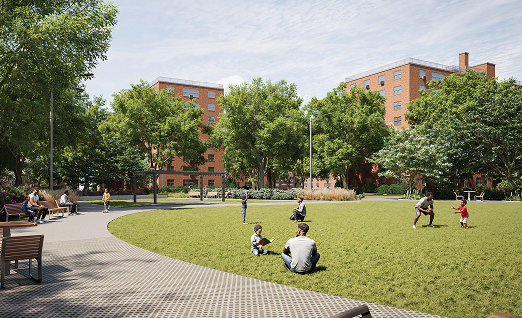
Far Rockaway, Queens
PACT Bay View
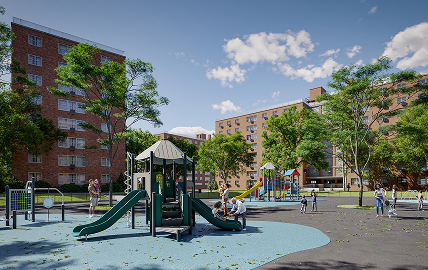
PACT Bay View
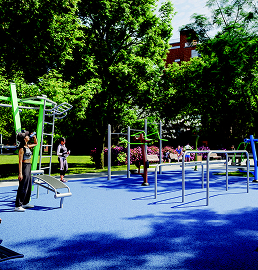
PACT Bay View will involve a substantial rehabilitation of 1,610 public housing units across 23 buildings in the Canarsie neighborhood of Brooklyn.
Through this transaction, all apartments will be upgraded with new kitchens, bathrooms, windows, flooring, appliances, and heating & cooling units. Residents will also benefit from renovated amenity spaces and transformed campus grounds in addition to guaranteed affordability and tenant protection rights.
Through this transaction, all apartments will be upgraded with new kitchens, bathrooms, windows, flooring, appliances, and heating & cooling units. Residents will also benefit from renovated amenity spaces and transformed campus grounds in addition to guaranteed affordability and tenant protection rights.
Crotona Park East, The Bronx
Intervale Green
Intervale Green
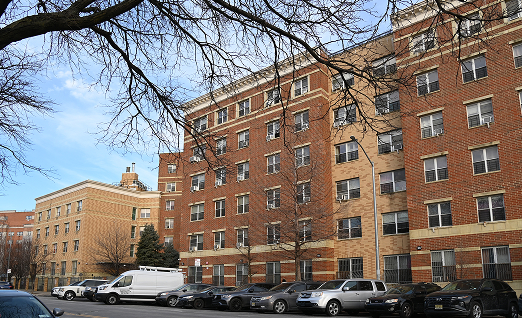
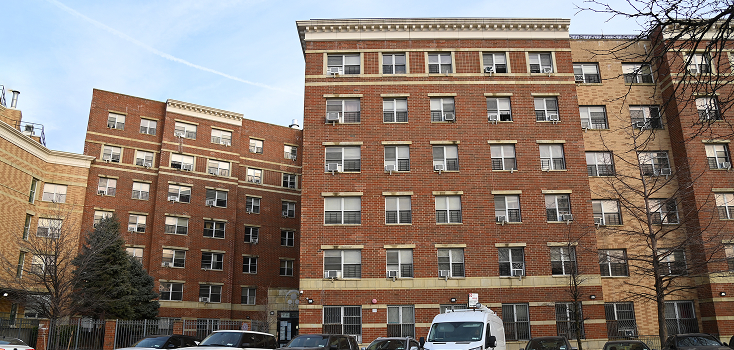
Intervale Green includes 128 affordable homes, 39 of which are designated for formerly homeless households. This Year 15 Preservation will allow for a range of building improvements, including replacement of the roof, façade repairs, new lighting fixtures, and modernizing building elevators. Additionally, walls and flooring affected by water damage will be restored and repainted. The transaction will also allow residents to benefit from an additional 35 years of guaranteed affordability.
Looking Ahead
As we begin 2026, HDC stands ready to support New York City at a moment when truly innovative solutions to our affordability challenges are needed more than ever. With a new administration in place at City Hall, we look forward to continued collaboration and are prepared to utilize every tool at our disposal to protect and expand New York City’s supply of high-quality, deeply affordable homes.
The year ahead will bring its own unique set of challenges for our work and the affordable housing industry as a whole. As highlighted in this year’s Annual Report, federal funding resources remain critical to our ability to deliver new affordable housing and preserve existing homes. At the same time, these tools have become increasingly constrained, even as costs to build and preserve affordable housing continue to rise. Meeting the growing housing needs of New Yorkers will require sustained advocacy to protect and expand the resources that make this work possible.
Despite these headwinds, HDC remains confident in our ability to meet this moment thanks to the talent and resourcefulness that all of our colleagues and partners continue to demonstrate. We look forward to continuing in our shared mission and delivering on our commitment toward ensuring New York City is a more affordable and prosperous city for all.
The year ahead will bring its own unique set of challenges for our work and the affordable housing industry as a whole. As highlighted in this year’s Annual Report, federal funding resources remain critical to our ability to deliver new affordable housing and preserve existing homes. At the same time, these tools have become increasingly constrained, even as costs to build and preserve affordable housing continue to rise. Meeting the growing housing needs of New Yorkers will require sustained advocacy to protect and expand the resources that make this work possible.
Despite these headwinds, HDC remains confident in our ability to meet this moment thanks to the talent and resourcefulness that all of our colleagues and partners continue to demonstrate. We look forward to continuing in our shared mission and delivering on our commitment toward ensuring New York City is a more affordable and prosperous city for all.
Leadership
AS OF 12/31/25
Executive Leadership
Eric Enderlin
President
Ruth Moreira
First Executive Vice President
Cathleen A. Baumann
Executive Vice President & Chief Financial Officer
Wanjiru Bila
Executive Vice President of Asset Management
Ellen K. Duffy
Executive Vice President for Capital Markets and Investments
Susannah Lipsyte
Executive Vice President & General Counsel
Brian Cheigh
Senior Vice President for Public Housing and Lending Strategies
Lauren Connors
Senior Vice President for Development
Tinru Lin
Senior Vice President for Capital Markets
Alex Medina
Senior Vice President of Asset Management
Moira Skeados
Senior Vice President, Deputy General Counsel and Secretary
Board of Directors
Ahmed Tigani
Chairperson and Member Ex-officio
Harry E. Gould, Jr.
Vice Chairperson / Member, Mayoral Appointee
Jacques Jiha, Ph.D.
Member Ex-Officio
Charles G. Moerdler
Member, Gubernatorial Appointee
Preston Niblack
Member Ex-Officio
Marc Norman
Member, Mayoral Appointee
Denise Scott
Member, Gubernatorial Appointee